Instruction No. 21/2025-Customs, Dated 02-07-2025
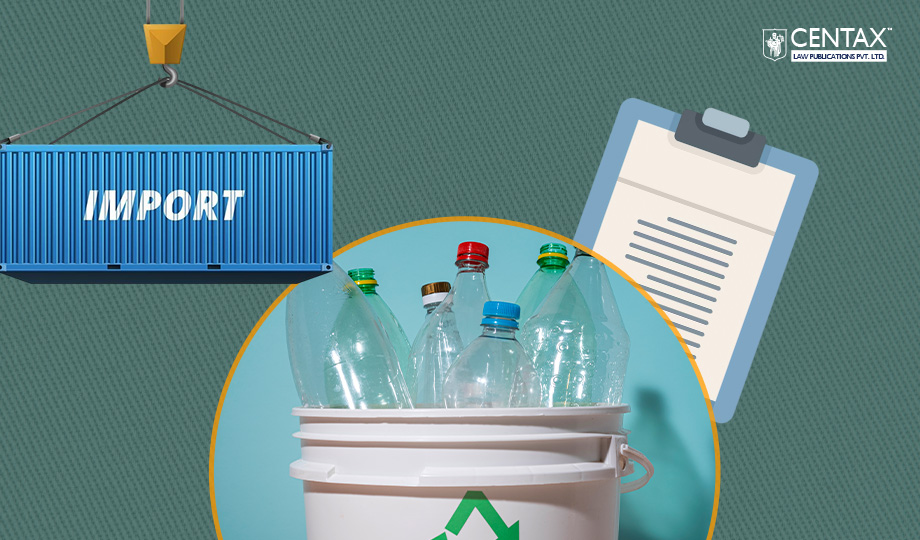
The Central Board of Indirect Taxes and Customs (CBIC) has issued an Instruction mandating the registration of all importers of plastic raw materials on the Centralised Extended Producer Responsibility (EPR) Portal for Plastic Packaging. This directive aligns with the compliance framework laid down under the Plastic Waste Management (Amendment) Rules, 2024.
1. Applicability Under EPR Guidelines
As per Section 6 of the EPR Guidelines, any importer of plastic raw material—including resins, pellets, or intermediate forms used in plastic packaging—must be registered on the EPR Plastic Portal. This obligation is part of the broader push for accountability and traceability in the use and disposal of plastic materials.
2. Customs Clearance Contingent on Registration
To ensure enforcement, the CBIC has instructed all customs field formations to:
- Verify proof of EPR registration at the time of clearing consignments involving plastic raw materials.
- Deny clearance in the absence of valid registration on the EPR Portal.
This move ensures that importers comply with sustainability and waste management obligations before their consignments are released into the Indian market.
3. Training and Sensitisation of Field Officers
The CBIC has also emphasised the need to sensitise customs officers to this updated compliance requirement. Customs authorities must:
- Be fully aware of the EPR registration mandate
- Implement verification uniformly across all field formations
- Prevent non-compliant imports from entering circulation
4. Advancing Environmental Accountability
This step forms part of India’s ongoing efforts to:
- Reduce plastic waste through better regulatory control
- Enforce producer responsibility for the life cycle of plastic products
- Encourage sustainable practices among importers and manufacturers
By integrating environmental compliance with import procedures, the CBIC and Ministry of Environment aim to promote circular economy principles and strengthen India’s plastic waste management framework.