Notification No. 54/2025-26, Dated 03-01-2025
1.Introduction
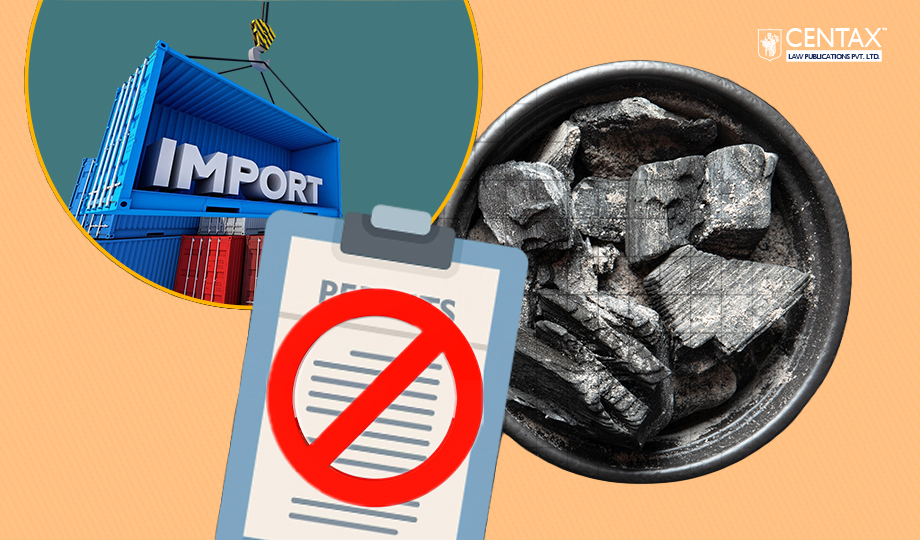
The Directorate General of Foreign Trade (DGFT) has issued a notification removing the import restriction on Low Ash Metallurgical Coke (LAM Coke) falling under Chapter 27 of ITC (HS). This policy change marks a significant shift in India’s import regime for metallurgical inputs and is expected to benefit industries such as steel, iron, and allied manufacturing sectors that rely heavily on coke as a critical raw material.
2. Background of Import Restrictions
Earlier, imports of Low Ash Metallurgical Coke were subject to quantitative restrictions and licensing requirements to regulate domestic supply and protect local producers. These restrictions often resulted in supply constraints and higher input costs for downstream industries. Over time, industry stakeholders raised concerns about the impact of such controls on production efficiency and global competitiveness.
3. Key Change Introduced by DGFT
With the issuance of the latest notification, DGFT has removed the import restriction, effectively allowing free import of Low Ash Metallurgical Coke under Chapter 27. Importers will no longer be required to obtain specific authorisations or adhere to quota limits for importing this product, subject to compliance with applicable customs and environmental regulations.
4. Impact on Industry and Trade
The removal of restrictions is expected to ease supply bottlenecks, reduce procurement costs, and provide greater flexibility to domestic manufacturers. Steel plants and metallurgical units, in particular, are likely to benefit from improved access to high-quality coke at competitive international prices. The move also supports India’s broader objective of enhancing industrial productivity and strengthening supply chain resilience.
5. Conclusion
DGFT’s decision to lift import restrictions on Low Ash Metallurgical Coke reflects a liberalised trade approach aimed at supporting domestic manufacturing and improving ease of doing business. By ensuring uninterrupted access to essential raw materials, the notification is likely to contribute positively to industrial growth, cost efficiency, and overall trade facilitation in the metallurgical sector.